Who is eligible for Medicare Advantage in Utah?
Table of Contents
If you are a Utah resident approaching Medicare eligibility or already enrolled in Original Medicare, you may be wondering whether Medicare Advantage (also called Medicare Part C) is the right fit for you. Medicare Advantage plans are offered by private insurance companies approved by Medicare and provide an alternative way to receive your Medicare benefits. To be eligible, you must first qualify for Original Medicare — but there are a few additional requirements to keep in mind. Below, we break down everything Utah residents need to know about eligibility, how Medicare Advantage compares to Original Medicare, what costs to expect, and how to enroll.
What Is Medicare Advantage (Part C)?
Medicare Advantage is a type of health plan offered by private insurers that contracts with Medicare to provide all of your Part A (hospital insurance) and Part B (medical insurance) benefits. Most Medicare Advantage plans available in Utah also include prescription drug coverage (Part D), and many offer extra benefits not available through Original Medicare — such as dental, vision, hearing coverage, fitness programs, and even transportation to medical appointments.
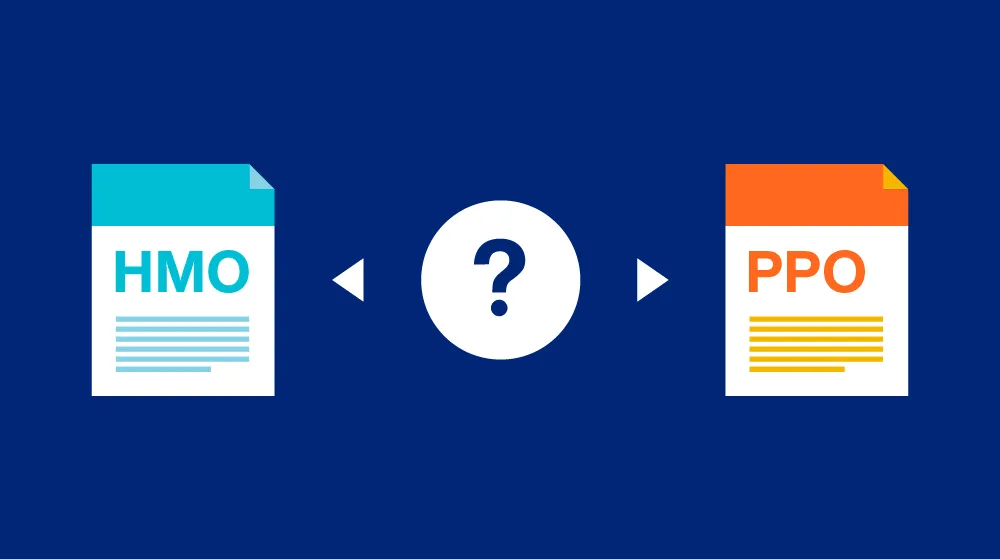
There are several types of Medicare Advantage plans, including Health Maintenance Organizations (HMOs), Preferred Provider Organizations (PPOs), Private Fee-for-Service (PFFS) plans, and Special Needs Plans (SNPs). Each type has different rules about which doctors and hospitals you can use in Utah, whether you need referrals, and how out-of-network care is handled.
Medicare Advantage (Part C) Eligibility Requirements in Utah
To enroll in a Medicare Advantage plan in Utah, you must meet the following eligibility requirements:
-
Enrollment in Medicare Parts A and B: You must be enrolled in both Medicare Part A and Part B, commonly referred to as Original Medicare. You cannot join a Medicare Advantage plan with only Part A or only Part B.
-
Residence in the Plan's Service Area: You must live within the state of Utah — specifically within the county or zip code served by the Medicare Advantage plan you want to join. Plans are offered by county, so your options depend on where in UT you live.
-
U.S. Citizenship or Legal Residency: You must be a U.S. citizen or a legal resident who has lived in the United States for at least five consecutive years.
-
End-Stage Renal Disease (ESRD) Considerations: Historically, individuals with ESRD could not enroll in Medicare Advantage plans. However, as of 2021, people with ESRD can now join Medicare Advantage plans during applicable enrollment periods. This was a significant change under the 21st Century Cures Act.
The service area rule is one of the most common sources of confusion for Utah residents shopping for a plan. "Eligibility for certain Medicare Advantage plans can depend on where you live. Plans are offered within specific service areas, which may include certain counties, ZIP codes, or states. That means a plan available to someone in one area may not be available to someone in another," says Charles Atkins, a licensed Medicare agent in Texas. He adds that Special Needs Plans can layer on additional requirements, such as a qualifying health condition or Medicaid eligibility.
Most Utah residents become eligible for Medicare when they turn 65, though younger individuals with qualifying disabilities or conditions may also qualify.
Low-Income Eligibility for Medicare Advantage in Utah
If you have a limited income, you may qualify for a Medicare Advantage plan built specifically for Utah residents in your situation. Dual Eligible Special Needs Plans (D-SNPs) are a type of Medicare Advantage plan for people who qualify for both Medicare and Medicaid. These plans typically include $0 premiums, low or no cost-sharing, and extra benefits like transportation to appointments, over-the-counter allowances, and grocery cards for people with certain chronic conditions.
To qualify for a D-SNP in Utah, you need to be enrolled in Medicare Parts A and B, live in the plan's service area, and meet Utah's Medicaid eligibility rules. Income and asset limits are set at the state level, so UT's cutoffs may be different from a neighboring state's. If your income is just above the Medicaid line in Utah, you may still qualify for a Medicare Savings Program that pays some or all of your Part B premium and reduces your Medicare cost-sharing.
If you qualify for both Medicare and Medicaid, review the D-SNPs available in your UT county during your enrollment window — dual-eligible enrollees can generally switch plans quarterly under a Special Enrollment Period rather than being locked in until fall.
Medicare Advantage vs. Original Medicare
Understanding how Medicare Advantage compares to Original Medicare can help you decide which path is right for your healthcare needs in Utah. Here are the key differences:
-
Coverage Structure: Original Medicare consists of Part A and Part B and covers hospital and medical services. Medicare Advantage bundles Part A, Part B, and usually Part D into a single plan, often with additional benefits like dental, vision, and hearing.
-
Cost Differences: With Original Medicare, there is no annual out-of-pocket maximum — your costs can add up without a cap. Medicare Advantage plans are required to set an annual out-of-pocket limit, giving you more predictable expenses.
-
Provider Networks: Original Medicare allows you to see any doctor or hospital that accepts Medicare nationwide. Most Medicare Advantage plans in Utah use provider networks (HMO or PPO), which may limit your choices but often result in lower costs when you stay in-network.
-
Supplemental Coverage: With Original Medicare, you can purchase a Medicare Supplement (Medigap) plan to help cover out-of-pocket costs. You cannot use a Medigap plan with Medicare Advantage.
-
Prescription Drugs: Original Medicare does not include drug coverage — you need to add a separate Part D plan. Most Medicare Advantage plans include Part D coverage built in.
Agents in Utah and across the country stress that there is no universal "best" Medicare Advantage plan. "There is not a 'best' plan other than the plan that is right for you. This is a common mistake I see with Medicare Advantage plans — asking loved ones which plan is 'best.' Plans that are right for one person may be wrong for another. It depends on which plan covers your doctors and medications properly and fits within your budget," says Tommy Overton, a licensed Medicare agent in Arkansas.
For a more detailed breakdown of your options, see our guide to comparing Medicare plans.
Costs to Expect With Medicare Advantage Part C Plans in Utah
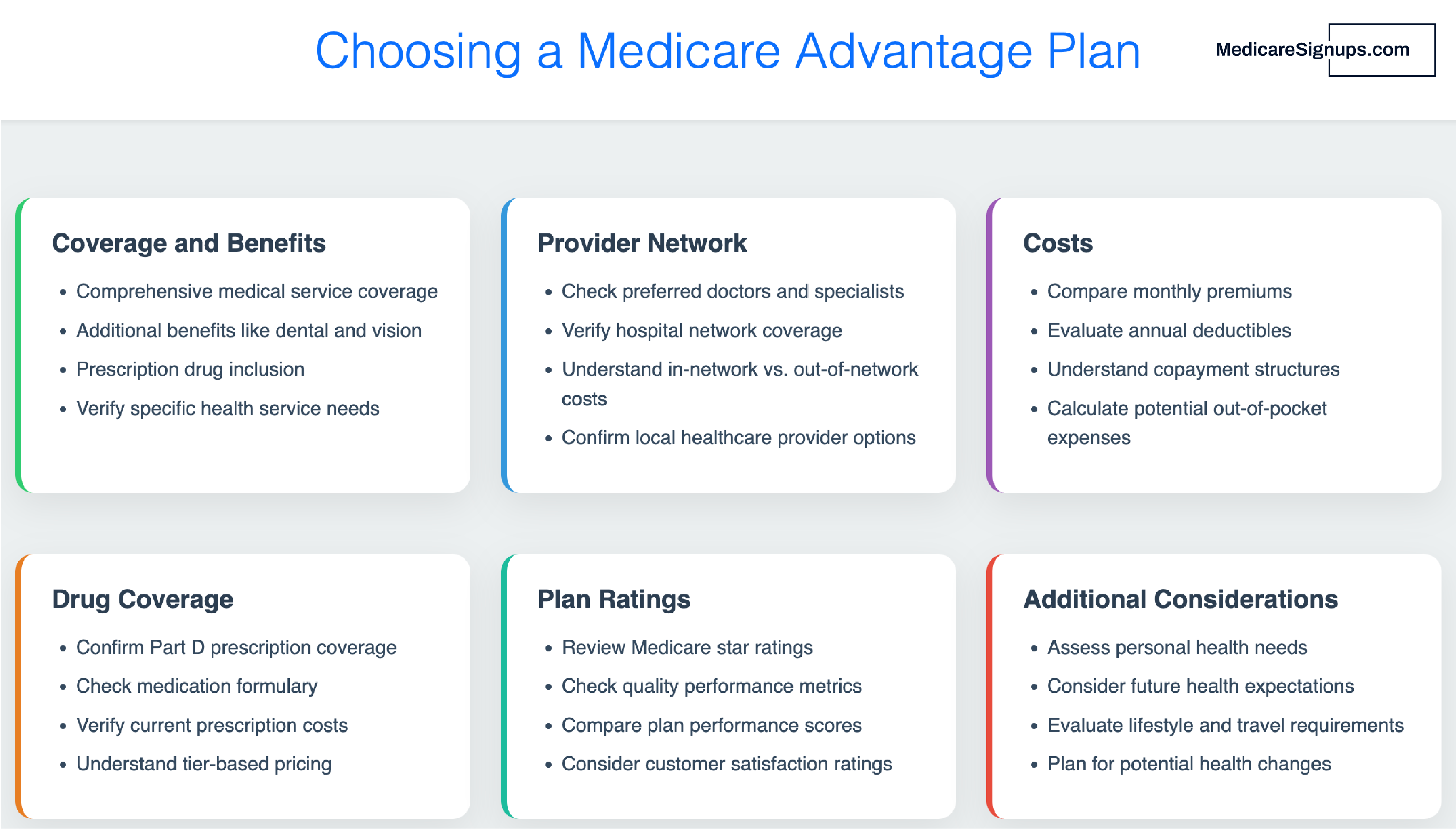
One of the most common questions Utah residents have about Medicare Advantage is how much it costs. Here is what you should plan for:
-
Monthly Premiums: Many Medicare Advantage plans in UT have $0 monthly premiums, though you still pay your Part B premium. Some plans with richer benefits charge an additional monthly premium.
-
Copays and Coinsurance: Most plans charge copays for doctor visits, specialist visits, and other services. These amounts vary by plan and location within Utah.
-
Out-of-Pocket Maximum: Every Medicare Advantage plan must cap your annual out-of-pocket spending. CMS sets the maximum allowable in-network limit each year, and many plans available in UT set their cap below the federal ceiling.
-
Deductibles: Some plans have deductibles for medical services or prescription drugs. Check the plan's Summary of Benefits before enrolling.
The headline-grabbing $0 premium plans get most of the attention in Utah, but the annual spending cap is what actually shields you from a financial blow if you have a tough health year. "These plans make having health coverage more affordable for millions of people. In addition to a $0 premium, these plans also offer an annual max out-of-pocket limit. This MOOP protects people from catastrophic medical bills and is perhaps one of the most overlooked benefits of an Advantage plan," says Mark Bilgere, a licensed Medicare agent in Texas.
Be aware that Medicare penalties may apply if you delay enrollment past your Initial Enrollment Period without qualifying coverage, so it pays to understand your timeline.
How to Enroll in a Medicare Advantage Plan in Utah
Once you have confirmed your eligibility and selected a plan, here is how to enroll:
-
Compare Plans: Use an online tool or consult with a licensed insurance agent in Utah to compare available Medicare Advantage plans in your area. Working with a local Medicare agent can make the process much easier.
-
Gather Your Information: Have your Medicare number and the dates your Part A and Part B coverage started. This information is on your Medicare card.
-
Choose Your Enrollment Method: You can enroll during an eligible enrollment period by:
-
Working with a Medicare Agent: A local licensed agent in Utah can walk you through your options and handle the enrollment paperwork for you.
-
Online: Visit the plan's website or use the Medicare Plan Finder at Medicare.gov.
-
Phone: Call the plan directly or contact Medicare at 1-800-MEDICARE (1-800-633-4227).
-
Mail: Complete a paper enrollment form and mail it to the plan provider.
-
If you have recently lost employer coverage or experienced another qualifying life event, you may be eligible for a Special Enrollment Period that allows you to join a Medicare Advantage plan outside of the standard enrollment windows.
After Enrollment: What to Expect
Once you have enrolled in a Medicare Advantage plan in Utah, here is what happens next:
-
Plan Materials: You will receive a membership card and documents detailing your coverage, provider network, formulary (drug list), and costs.
-
Billing: If your plan has a premium, you will receive information on how to pay. Some plans deduct premiums from your Social Security check.
-
Provider Communication: Inform your healthcare providers about your new plan to ensure seamless coordination of care. Confirm that your Utah doctors are in the plan's network.
If you find out after enrollment that a hospital or specialist you use in Utah is not in your plan's network, you are not stuck. "During Medicare's Open Enrollment Period, which is January 1st through March 31st every year, you can choose a different Medicare Advantage plan if your current one isn't working for you. You also can change to a plan that has your preferred hospital in network during the Annual Enrollment Period, October 15th through December 7th," says Ashley King, a licensed Medicare agent in Maryland. She recommends reviewing all of your doctors and prescriptions before switching so the new plan actually fits your needs.
Important Things to Keep in Mind
-
Medigap Compatibility: Medicare Supplement Insurance (Medigap) policies cannot be used alongside Medicare Advantage plans. If you have a Medigap policy and decide to join Medicare Advantage, you should drop it, since it will not provide any benefits while you are enrolled in a Medicare Advantage plan.
-
Annual Plan Changes: Medicare Advantage plans can change their benefits, premiums, copays, provider networks, and drug formularies from year to year. Review your plan's Annual Notice of Change (ANOC) each fall to understand what is changing for the upcoming year.
-
Switching Plans: You can switch Medicare Advantage plans or return to Original Medicare during the Annual Enrollment Period (October 15 through December 7) or the Medicare Advantage Open Enrollment Period (January 1 through March 31).
-
Star Ratings: Medicare rates plans on a scale of 1 to 5 stars based on quality and performance. Checking a plan's star rating can help you evaluate the quality of care and customer service you can expect from plans in Utah.
-
Know the Common Myths: There are many misconceptions about Medicare Advantage, including confusion about common enrollment mistakes. Understanding the facts can help you avoid costly errors.
One warning that Utah agents repeat constantly: the door does not always swing both ways once you choose Medicare Advantage. "The absolute biggest, most expensive Medicare mistake that people regret later is choosing a Medicare Advantage plan when turning 65 and trying to switch to a Medicare Supplement (Medigap) plan years later," says Joe Pearson, a licensed Medicare agent in New Jersey. Outside of your initial Medigap open enrollment window, insurers in UT can use medical underwriting — meaning health conditions you have developed since turning 65 can result in higher premiums or outright denial.
Key Takeaways for Utah Residents
-
You must be enrolled in both Medicare Part A and Part B to join a Medicare Advantage plan.
-
You must live in the plan's service area within Utah and be a U.S. citizen or qualifying legal resident.
-
People with ESRD are now eligible to enroll in Medicare Advantage as of 2021.
-
Low-income Utah residents who qualify for both Medicare and Medicaid can access Dual Eligible Special Needs Plans (D-SNPs) with extra benefits and lower cost-sharing.
-
Medicare Advantage plans in UT often include extra benefits like dental, vision, hearing, and other perks that Original Medicare does not cover.
-
Every Medicare Advantage plan has an annual out-of-pocket maximum, providing more cost predictability than Original Medicare.
-
Review your plan's details each year — benefits and costs can change annually.

Jennifer Tanner
Licensed Utah Medicare Agent
Contact Jennifer through Medicare Agents Hub »
Hi, I’m Jennifer, an independent Medicare agent based in Utah, and love guiding people through the many options of Medicare. I match clients with the right plan for their needs and continue supporting them year after year as those needs change. My goal is to empower you to make confident decisions about your healthcare options and to keep the process as seamless and stress-free as possible. Above all, I prioritize your needs, delivering the personalized care and attention you deserve.
If you’re ready to explore your Medicare options—or simply have questions—I’d be glad to help you find the right solutions for your healthcare.